Featured
Table of Contents
Deepness treatment is a healing practice based upon the work of Swiss psychoanalyst Carl G. Jung. Depth treatment is established on the belief that a lot of mental health and wellness problems are triggered by unconscious inspirations which disclosing and exploring these inspirations is the key to healing. There are many various approaches that drop under the umbrella of deepness treatment, one unifying objective of specialists that specialize in depth treatment is to incorporate the unconscious mind with the mindful.
Psychology is built around the study of the human mind, which numerous noticeable psychologists have believed to be influenced by the subconscious. Depth psychology is a branch of psychology that explores the subconscious elements of the human mind to recognize the underlying motivations and emotions that drive actions. The unconscious mind is a key component of depth psychology.
Deepness psychologists typically see the human mind as both aware and unconscious, and psychoanalysis is usually their major psychotherapeutic technique. There is an idea that discovering subconscious forces can be intrinsically recovery.
Ensuring Trauma Therapy Available

As part of his job, Jung relied on a much deeper cumulative subconscious and depictive archetypes. The collective unconscious, according to Jung's deepness mental viewpoint, helps describe our personality toward myth-making and dreaming. Underlying this combination is the idea that the human psyche is partially mindful and partially subconscious, storing experiences and problems that might have been repressed, in addition to cumulative and stereotypical forces.
Your therapist can supply support as you make modifications in exactly how you react and can help you with gradually challenging situations. Deepness pyschotherapy is appropriate to participants that desire to attend to ingrained psychological and psychological difficulties, in addition to injury. Also, there might be actions that you continue to duplicate despite the fact that they are harming to you.
Myths People Commonly Misunderstand About Trauma Recovery

You may need to be motivated and client throughout the procedure, however it might help you uncover extra concerning on your own through an exploration of your subconscious ideas. This procedure may assist with any kind of life tests you are facing and assist you move forward with better insight.
Bleuler was the supervisor of the Burghlzli Asylum in Zrich, where Carl Jung began his profession. Experts like Sigmund Freud, Alfred Adler, and Otto Ranking added to the development of this area. Nevertheless, this area is most carefully connected with Jung's work. The techniques of this initial wave of psychology look for to exceed behavior and cognitive procedures to the subconscious encouraging variables below them (hence the term "depth").
By bringing the unconscious material of the individual to consciousnessboth individual and collectiveone relocations from fragmentation and "one-sidedness" towards integrity. Jung thought that we were all looking for the exact same point: the heart. From his view (and direct experience), one needs to welcome one's internal worldexploring one's dreams and imaginationto eventually get here at a phase of integrity where one's heart is recognized.
What to Expect During Trauma Processing
Together, they represent opposing forcesyin and yang. Therefore, the professionals of depth psychology had to develop a brand-new language for studying and analyzing signs and brand-new approaches for communicating through photos. Balancing the revers can be tough, as it calls for an alchemical procedure that ultimately causes psychological assimilation.
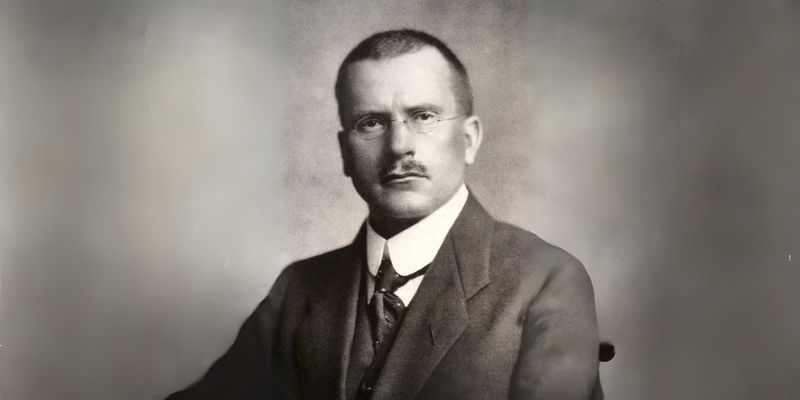
To get to know one's shadowthe parts of oneself that one is removed and divorced fromrequires repetitively confronting the ego's identification. Depending upon one's level of internal resistance and will, this process can be testing for many individuals. Therefore, practitioners like Jung (and scholars like Joseph Campbell) consider it a "brave act" to connect the space in between the conscious and the subconscious.
Freud was grooming the younger Jung to be his successor. Jung suggested a various name for their arising area: psyche-analysis.
Jung saw their duty as an analysis of the human mind, spirit, and spirit. That is, Jung saw an extremely different photo of the human condition than Freud.
How Depression therapy Heals Dissociation
Jung believed that we are ALL fragmented and separated, and purposefully or otherwise, we're all looking for our souls. This look for one's soul is at the facility of depth psychology. Sigmund Freud (facility) and Carl Jung (best) in 1909Credit: Wellcome Library, London. Wellcome Images The insights stemmed from analytic theory are, essentially, located outside academia.
D. in psychology, you aren't likely to interact with Jungian concept other than possibly in a history class (where they teach you that psychoanalysis was the "initial wave"). The academic field of psychology is, as Jung would state, discriminatory. It's almost specifically focused on the conscious mind (what he called the thinking function).
It makes sensemost people operate entirely within the mindful mind, the realm of the ego. Here, the ego is in cost and tries to regulate itself and its environment. Deepness psychology, on the other hand, requires us to communicate with the unconscious domainto get in the typically uncertain globe of icons, pictures, and feelings.

Latest Posts
Mindfulness and Meditation Within Global Perspectives
Modern CBT Techniques in Waterloo, Ontario Practices
Specific Methods for Distinctive Individual Needs